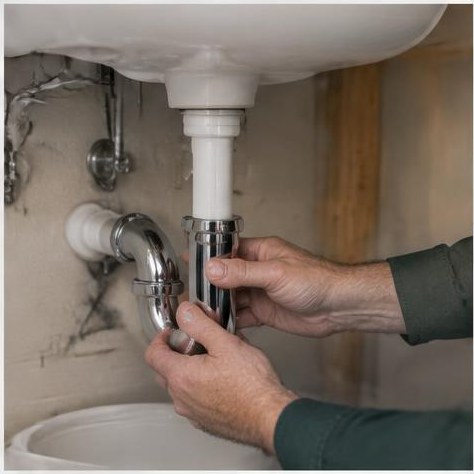
Start with the condition of your drains
A home with clear, well-performing drains does not necessarily need the same cleaning schedule as one with a history of roots or repeated blockages. The line material, layout and household habits all matter. Ask for a recommendation based on your actual system and previous findings rather than assuming every Oakville property needs identical annual treatment.
Recurring clogs deserve a diagnosis
If the same drain slows again soon after clearing, the underlying cause may remain. Grease accumulation, a damaged section or poor drainage conditions can require different solutions. When several fixtures are affected, the blockage may be in a shared line. A camera inspection may be useful where access and line conditions permit it.
Know what goes down the drain
Keep cooking grease, wipes and unsuitable food scraps out of waste lines. Strainers can reduce hair accumulation in bathroom fixtures, but they still need regular cleaning. Avoid assuming a disposal or a product labelled flushable makes every material safe for your plumbing. Small everyday choices can reduce the workload on the drainage system.
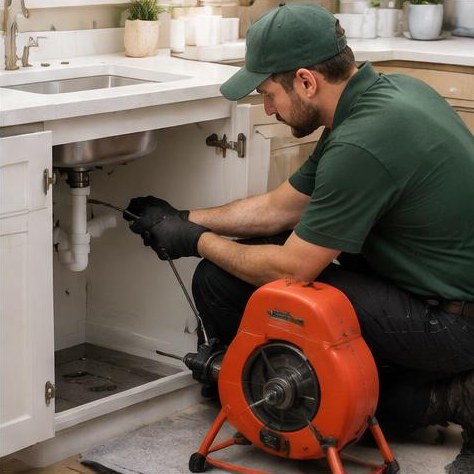
Choose the method for the problem
An auger, targeted cleaning and other professional methods each have appropriate uses. The condition and accessibility of the pipe should guide the choice. Aggressive chemical products can introduce handling hazards and may not address a deeper issue. Tell the plumber if chemicals have already been used so the work can be approached safely.
Make a maintenance plan after inspection
If your home has a documented recurring issue, a planned interval may make sense. Record the symptoms, date and findings from each visit. A recommendation can then be adjusted as the system changes or repairs are completed. Call promptly for sewage backup or widespread drainage trouble rather than waiting for a scheduled maintenance appointment.
Slow drainage is not always a blockage
Drainage depends on more than the opening you can see. Pipe condition, layout and venting can influence performance. A sink that drains slowly despite a clear trap may need a broader assessment. Do not dismantle concealed piping or alter vent arrangements without appropriate expertise. Describe which fixtures are affected and whether the problem changes when another fixture runs. Those clues can help narrow the possibilities. A useful inspection should explain what is known, what remains uncertain and why a particular next step is recommended.
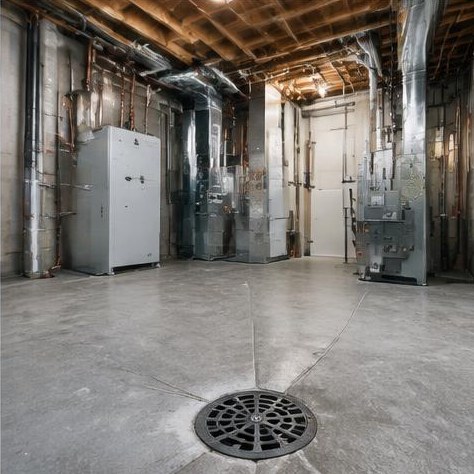
Keep a record of repeated problems
A short history can make a recurring drain complaint easier to understand. Note how long clearing lasts, what material was removed and whether any camera findings were documented. If the symptom returns rapidly, ask whether the cause was removed or only the immediate obstruction was opened. A planned repair may be more practical than repeating short-term clearing. The decision should consider the pipe condition and access, not just the frequency of calls. Written findings also help when coordinating a larger renovation or comparing the proposed scopes of work.
Respond appropriately to a backup
Stop using affected fixtures and avoid adding more water to a backed-up system. Keep people and pets away from contaminated water and do not handle electrical equipment nearby. Call for urgent assistance when several drains back up or sewage appears. Tell the plumber about any drain chemicals already used, even if they seemed ineffective. Cleanup and restoration may need separate professionals after the plumbing source is addressed. The right response protects both the people in the house and the surfaces around the affected area.
What to share when you call
Before arranging a visit, make a short list of the symptoms and the fixtures affected. Include when the problem began, whether it is constant or intermittent, and any changes made to the house recently. Photos of accessible areas and equipment labels can provide useful background, but they do not replace inspection. Clear access to the working area and tell us about pets or any particular concerns about finishes. Good information helps make the first conversation more focused.
A local approach to a practical decision
Oakville homes vary widely, from heritage properties near the lake to newer developments in Glen Abbey, River Oaks and Joshua Creek. That variety is why plumbing advice should be tied to the installation, not just a broad rule. Oakville Plumbing explains the observed problem, the proposed work and the pricing before you decide. If more than one approach is practical, ask about the differences in disruption, maintenance and long-term suitability. An informed decision starts with a clear scope.
Keep safety and scope in perspective
Homeowner observations are valuable, but they should never require exposure to contaminated water, electrical hazards or unfamiliar gas equipment. Stop and seek appropriate help if the situation is unsafe. Plumbing repairs may also need coordination with restoration, renovation or other trades. Clarify which work is included and which finishes or materials need separate attention. Addressing the source is the first step; checking the result and understanding any follow-up makes the solution more complete.
Your next step
If you are planning a project or investigating a persistent symptom, request a free estimate with the details of your home and the service you need. For an urgent plumbing problem, call rather than waiting for a form response. Oakville Plumbing is open 24 hours, 7 days a week, serving Oakville and discussing requests throughout nearby Burlington, Mississauga, Milton and Halton Region. We will talk through the situation and explain the next available step without treating a general article as a substitute for an on-site assessment.
A little help makes a big difference.
Questions about your home? Talk to Oakville Plumbing. For urgent plumbing problems, call (289) 802-3778.