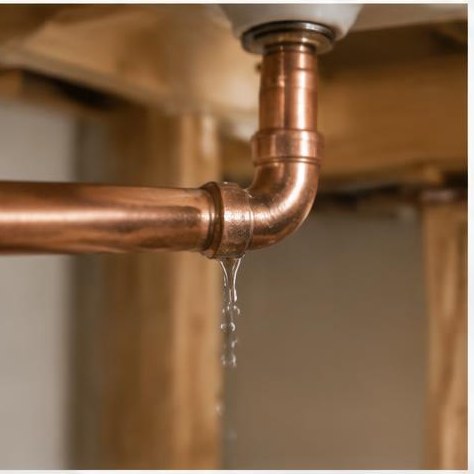
Look for changes, not just puddles
A faint ceiling mark, peeling paint or a damp cabinet can be the first visible evidence of water escaping elsewhere. Notice whether the sign appears after a shower, while the dishwasher runs or even when no fixtures are being used. Timing helps distinguish a supply leak from drainage, waterproofing or an unrelated source of moisture.
Use your water meter thoughtfully
When all intentional water use is off, an unexpectedly moving meter can suggest ongoing consumption. Check toilets, appliances and outside taps before assuming a concealed pipe is leaking. A meter check is a clue rather than a location tool, and not every property has straightforward access. Record what you observe and share it with the plumber.
A running toilet can be deceptively quiet
Some leaks are hidden in plain sight. A toilet that periodically refills may be losing water through the tank into the bowl. Other problems appear only when a fixture operates. Inspect accessible areas without removing electrical panels or disturbing finishes. A persistent unexplained change in consumption is worth investigating even if the floor stays dry.
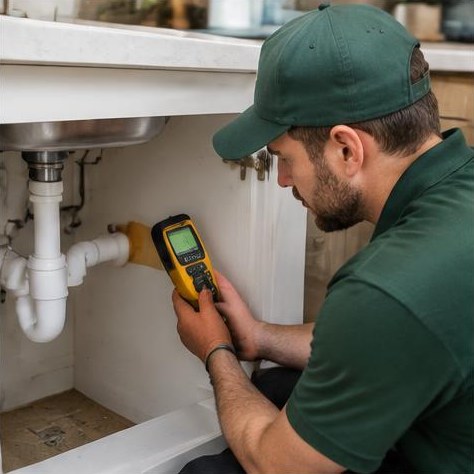
Targeted detection reduces guesswork
Leak assessment may involve moisture readings, pressure checks and other suitable diagnostic tools. Water can travel along joists or pipes, so the visible stain may not be beneath the failure. Non-invasive checks help narrow the area, but access may still be needed to confirm and repair the source. Ask what each proposed test can establish and what remains uncertain.
Act safely when the problem is active
Close the appropriate water valve if you can reach it safely. Keep away from standing water near electrical equipment and arrange urgent help. Do not cover a damp area and assume it will dry on its own. Once the plumbing source is addressed, damaged materials may need separate drying or restoration work; clarify that scope with the relevant professionals.
Understand condensation and other look-alikes
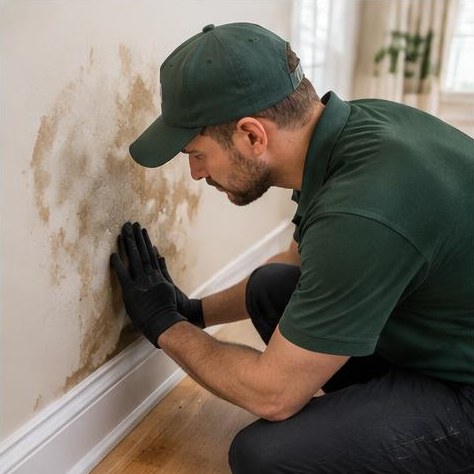
Not all moisture is a supply-pipe leak. Condensation on cold surfaces, rain entry and failed seals around a shower can produce similar stains. Record whether the problem changes with weather or fixture use. A plumber may find that another trade needs to investigate part of the issue. That is a useful result, not a reason to guess at pipe repairs. Be cautious about drawing conclusions from a single damp patch. The source needs to be established before the area is covered, painted or permanently repaired.
Do not let a small leak become normal
A container placed under a dripping trap is a temporary measure, not a long-term repair. Slow moisture can damage cabinet material or flooring without creating a dramatic flood. Check whether the container fills only during use and avoid storing household chemicals or valuables in the affected space. Tell the plumber if the connection has been tightened or if a sealant has been applied. Those interventions can change the visible symptoms. Repairs should restore the correct connection, not simply hide escaping water behind a layer of adhesive.
Confirm the repair before restoring finishes
After the source has been repaired, the affected plumbing should be checked under the conditions that previously produced the leak. Drying and restoration may take longer and can need separate expertise. Ask what was found, what was repaired and whether any nearby connections deserve monitoring. Keep before-and-after photos for your records where appropriate. If a stain grows again or moisture returns, report the change promptly instead of assuming it is harmless leftover water. Follow-up is part of protecting your home.
What to share when you call
Before arranging a visit, make a short list of the symptoms and the fixtures affected. Include when the problem began, whether it is constant or intermittent, and any changes made to the house recently. Photos of accessible areas and equipment labels can provide useful background, but they do not replace inspection. Clear access to the working area and tell us about pets or any particular concerns about finishes. Good information helps make the first conversation more focused.
A local approach to a practical decision
Oakville homes vary widely, from heritage properties near the lake to newer developments in Glen Abbey, River Oaks and Joshua Creek. That variety is why plumbing advice should be tied to the installation, not just a broad rule. Oakville Plumbing explains the observed problem, the proposed work and the pricing before you decide. If more than one approach is practical, ask about the differences in disruption, maintenance and long-term suitability. An informed decision starts with a clear scope.
Keep safety and scope in perspective
Homeowner observations are valuable, but they should never require exposure to contaminated water, electrical hazards or unfamiliar gas equipment. Stop and seek appropriate help if the situation is unsafe. Plumbing repairs may also need coordination with restoration, renovation or other trades. Clarify which work is included and which finishes or materials need separate attention. Addressing the source is the first step; checking the result and understanding any follow-up makes the solution more complete.
Your next step
If you are planning a project or investigating a persistent symptom, request a free estimate with the details of your home and the service you need. For an urgent plumbing problem, call rather than waiting for a form response. Oakville Plumbing is open 24 hours, 7 days a week, serving Oakville and discussing requests throughout nearby Burlington, Mississauga, Milton and Halton Region. We will talk through the situation and explain the next available step without treating a general article as a substitute for an on-site assessment.
A little help makes a big difference.
Questions about your home? Talk to Oakville Plumbing. For urgent plumbing problems, call (289) 802-3778.